

Most valuable Pokémon cards right now, and how to spot one
The most valuable Pokémon cards you can actually buy today fall into a short list of categories: vintage holos from 1999 and 2000, Shining and Gold Star cards from the 2000s, alternate arts and special illustration rares from the last few years, and the gold and lettered top rarities of the newest sets. The ranking below orders a watch list of those cards by their current market price.
This is a different question from the most expensive card ever sold. That record — a graded Pikachu Illustrator at auction — has its own page, the most expensive Pokémon card. Here the prices are for ungraded cards on the open market, refreshed every time the site is published.
The most valuable cards right now#
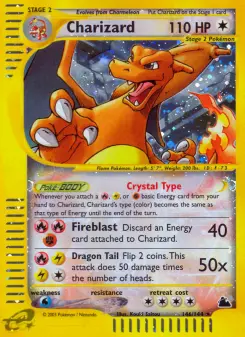 Charizard
- TCGplayer
- $10,000.00
- Cardmarket
- €4,918.35
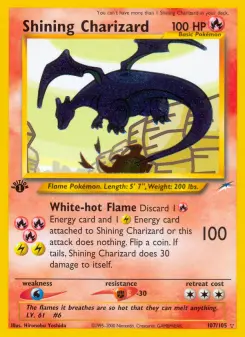 Shining Charizard
- TCGplayer
- $6,832.50
- Cardmarket
- €1,213.12
 Mew
- TCGplayer
- $4,492.45
- Cardmarket
- €2,785.82
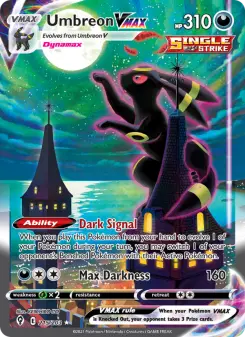 Umbreon VMAX
- TCGplayer
- $2,324.94
- Cardmarket
- €1,852.67
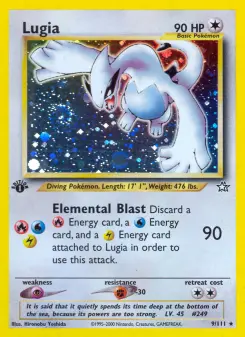 Lugia
- TCGplayer
- $1,300.00
- Cardmarket
- €1,064.38
 Rayquaza VMAX
- TCGplayer
- $1,221.27
- Cardmarket
- €1,247.58
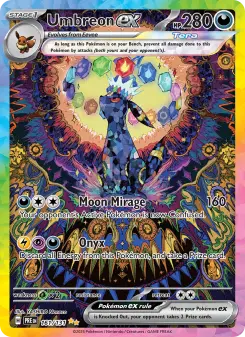 Umbreon ex
- TCGplayer
- $1,186.84
- Cardmarket
- €907.87
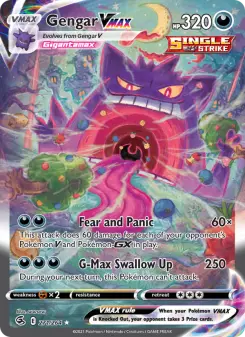 Gengar VMAX
- TCGplayer
- $1,007.36
- Cardmarket
- €722.96
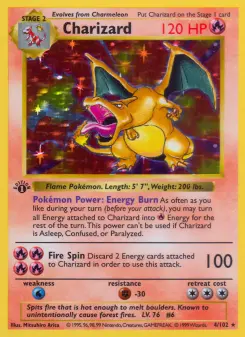 Charizard
- TCGplayer
- $987.13
- Cardmarket
- €402.26
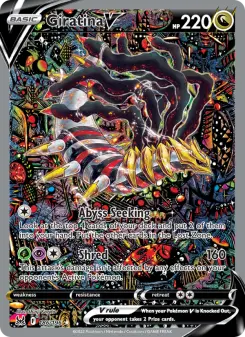 Giratina V
- TCGplayer
- $825.74
- Cardmarket
- €711.40
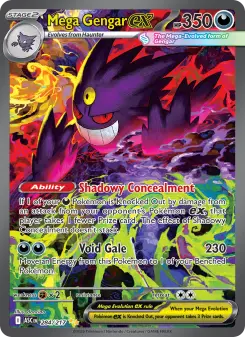 Mega Gengar ex
- TCGplayer
- $606.90
- Cardmarket
- €596.22
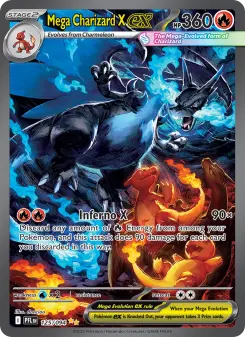 Mega Charizard X ex
- TCGplayer
- $565.48
- Cardmarket
- €548.51
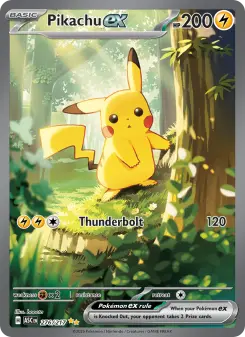 Pikachu ex
- TCGplayer
- $563.72
- Cardmarket
- €752.39
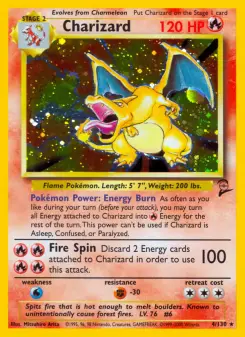 Charizard
- TCGplayer
- $494.90
- Cardmarket
- €356.26
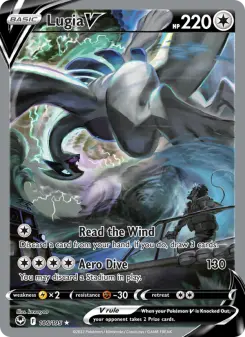 Lugia V
- TCGplayer
- $449.21
- Cardmarket
- €453.78
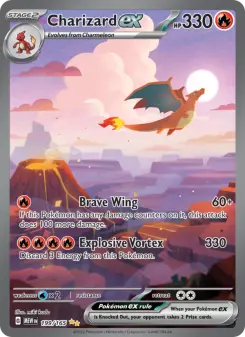 Charizard ex
- TCGplayer
- $291.28
- Cardmarket
- €317.02
 Charizard V
- TCGplayer
- $263.10
- Cardmarket
- €283.56
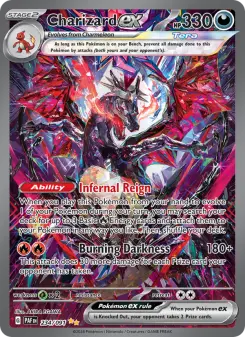 Charizard ex
- TCGplayer
- $260.04
- Cardmarket
- €259.03
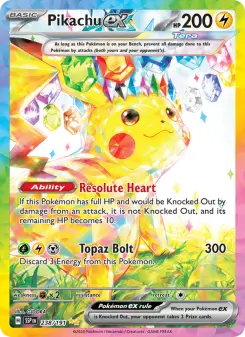 Pikachu ex
- TCGplayer
- $239.59
- Cardmarket
- €207.28
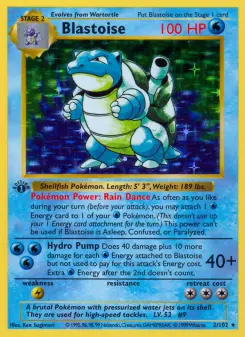 Blastoise
- TCGplayer
- $235.05
- Cardmarket
- €145.67
Ranked by the TCGplayer market price in dollars as last updated by TCGdex on , from a watch list of 24 cards collectors chase across every era — not every card ever printed. TCGplayer prices describe ungraded cards in general, not your copy.
Three things stand out in almost any version of this list. The vintage entries are few but very expensive, and they are almost all holo Charizard, Lugia or a Shining card. The modern entries are overwhelmingly alternate arts and special illustration rares of a handful of Pokémon — Umbreon, Rayquaza, Gengar, Charizard, Pikachu. And none of them is an ordinary card from a booster pack: every one sits at the top of its set’s rarity ladder.
What makes a Pokémon card worth money#
A scarce printing
First edition and shadowless prints of the 1999 sets, and the earliest runs of the Neo era, exist in far smaller numbers than the unlimited prints that followed. The printing matters more than the Pokémon on vintage cards.
The top of a rarity ladder
Alternate arts, special illustration rares, gold hyper rares and secret rares are printed in small numbers per set. They are numbered above the set's total, which is the quickest way to spot them.
A Pokémon people want
Charizard, Umbreon, Pikachu, Gengar, Mew, Rayquaza and Lugia appear again and again at the top of price lists. The same rarity of a less popular Pokémon sells for a fraction.
Condition
Prices on this page describe ungraded cards in general. Whitened edges or a soft corner move a copy down the condition scale, and a top grade from a grading company can multiply the price.
The right market
TCGplayer and Cardmarket are different markets with different prices for the same card. Japanese prints, graded slabs and raw cards are separate markets again.
The condition scale buyers actually price against is on the Pokémon card condition guide, and when a grade is worth paying for is worked out on is it worth grading.
How to check your own cards#
Most of any collection is worth very little, and the goal of a first pass is to find the handful of cards that are not. Work through the stack in this order.
Step 1
Check the collector number
A number above the set total — 215/203, 116/86 — means one of the set's top rarities. Pull every one of them first.
Step 2
Look for stamps and symbols
A first edition stamp on a 1999–2000 card, a star after the Pokémon's name, or a gold or special rarity symbol in the corner each marks a card worth a closer look.
Step 3
Set aside full arts and alternate arts
Cards whose artwork covers the whole face, or shows the Pokémon in a scene, are usually the high rarities of their set even when you cannot read the symbol.
Step 4
Look up the exact card
Search the name and number for its current market price, then compare against sold listings in your card's condition. A price for the card in general is a starting point, not an offer.
The search on the Pokémon card value page looks up any card’s current price by name and number. If the card is from the 1999 sets, the first edition and shadowless pages show how to tell the scarce printings apart, and for recent sets the card list pages rank every chase card — Ascended Heroes, Prismatic Evolutions and 30th Celebration among them.
Why most cards are not on this list#
Modern sets are printed in enormous numbers, and the ordinary cards in them — commons, uncommons, the rares in the main numbered run — sell for small amounts no matter how old they get. When we measured the Chaos Rising set on 15 October 2026, every one of its 86 main-run cards sold for under a dollar on TCGplayer, while all of the set’s value sat in the cards numbered above it.
That pattern holds across nearly every set, and it is the single most useful thing to know before sorting a collection: the money is concentrated in a few cards, and they are marked.
For an example of separating names from numbered versions before comparing prices, the Surging Sparks card list distinguishes four Pikachu ex entries.
Reference prices and math, not appraisals. Market prices here come from TCGplayer and Cardmarket via TCGdex and describe a card in general, not your copy. This site does not appraise or authenticate cards; every other number is one you enter or one we quote from a dated source.
Sources
Every figure above was read on the page below on the date shown. Grading fees and marketplace rules change without notice — check the source before you send anything.
Checked Oct 23, 2026
cardmarket.com
Checked Oct 23, 2026
tcgplayer.com
Checked Oct 23, 2026
Frequently asked questions
What Pokémon cards are worth money?
Mostly four kinds: holographic cards from the 1999–2000 sets, especially first edition and shadowless prints; Shining and Gold Star cards from the 2000s; modern alternate arts and special illustration rares; and the gold and lettered top rarities of recent sets. Popular Pokémon multiply all of it.
What is the most valuable Pokémon card right now?
Among cards you can actually buy, the top of the market is held by a few vintage rarities and the newest chase cards; the ranking on this page shows the current order from market prices. The most expensive card ever sold is a separate question — a certified auction record covered on its own page.
Are old Pokémon cards worth money?
Some are, and age alone is not the reason. Value in old cards concentrates in holo rares, first edition and shadowless printings, and copies clean enough to grade well. An ordinary common from 1999 in played condition is worth about what a common from last year is worth.
Are holographic Pokémon cards worth more?
Not automatically. Holo describes a finish, and modern sets print holo and reverse holo versions of most cards. A holo of a popular Pokémon from a set collectors chase is worth money; a holo of an unwanted Pokémon from a heavily printed set sells for very little.
How do I check if my Pokémon card is valuable?
Read the bottom edge first: a collector number above the set total, a first edition stamp or a special rarity symbol are the first signs. Then look the card up by name and number to see its current market price, and compare against sold listings for copies in the same condition.
TCGValuer is an independent site and app. Not affiliated with, endorsed by or sponsored by Nintendo, Creatures, GAME FREAK, The Pokémon Company, Bandai, Shueisha, Toei Animation, Konami, Studio Dice, Wizards of the Coast, Hasbro, Disney, Ravensburger, PSA, Beckett, CGC, SGC or TCGplayer. Product names are used descriptively to identify the cards and services being discussed.